

Sweater Effect
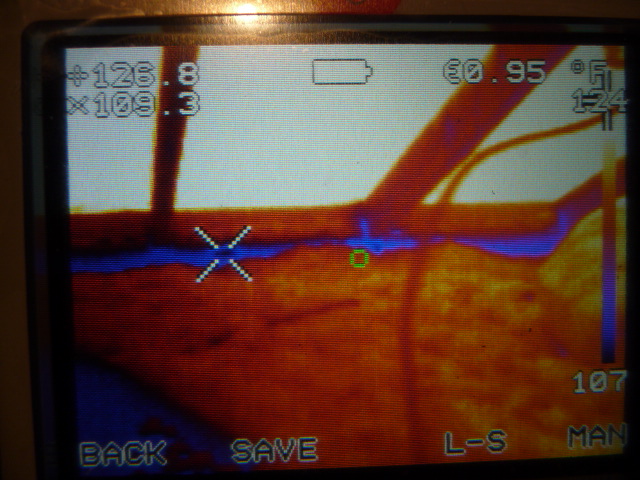
Hot roof beaming infrared heat into the insulation. Image captured in Phoenix AZ at 9am
Copyright 1994 Horizon Energy Systems Inc.
Twenty years of building science and designing effective Climate Specifictm products was the result of documenting how heat moves into and out of buildings using an infrared camera.
Homes built in sunny climates need different methods of controlling infrared heat vs convective heat losses which need addressing in cold climates. Basic laws of thermodynamics dictate "heat always moves from a higher temperature to a lower temperature". But how the heat moves is critical to understand when designing new or retrofitting existing structures. First question: "Is heat loss or heat gain the main design criteria?".
If it's sub zero weather and high winds you need to protect against then an exterior air barrier like Tyvek, sufficient insulation to resist convective losses and a tight building should be high on your list of means and methods to keep energy consumption in check. However, if the building is baking under the sun all day and has a hot roof which is radiating infrared heat down into the ceiling then a different plan should be considered using different products. A plan of reflecting the unwanted infrared heat with a proven radiant barrier and then a means to exhaust the waste heat using natural or powered venting. Since natural venting sometimes falls short of adequate ventilation we've found installing a quality fan with sealed ball bearings and an accurate thermostat an effective method to achive this.
I call using insulation in a hot climate the "Sweater Effect" which would be akin to putting on a sweater to increase comfort before going outside to do yard work in the sun. Doesn't sound too logical does it? One must ask why our national building codes demand we do exactly this in homes in hot climates. We have homes being built in all types of climates: humid tropical, desert and the frozen Midwest and North yet the national building code requires the same products in all buildings regardless of what environment they are being built in. This had to change.
Here's a recent article on my discoveries of the "Sweater Effect":
(Reprinted with permission from Arizona Republic)
Reflective shields touts energy advantages
As the extreme heat of summer and high electric bills approach, an inventor in Phoenix says he has an under utilized option for bouncing heat out of houses.
Horizon Energy Systems Inc. in Phoenix manufactures a reflective, radiant barrier for attics that can save 35 percent or more on the cooling energy needed to keep houses at comfortable temperatures. That's dramatically more than the conventional wisdom in the utility industry, which holds that 10 percent or less of the heat entering a house comes through the attic.  The conflicting information sets up a sort of mystery in thermodynamics, with some experts only recommending the barriers in new buildings. Customers, though, claim that retrofitting their attics with the Mylar-looking, triple-layered reflective sheeting has saved them big money.
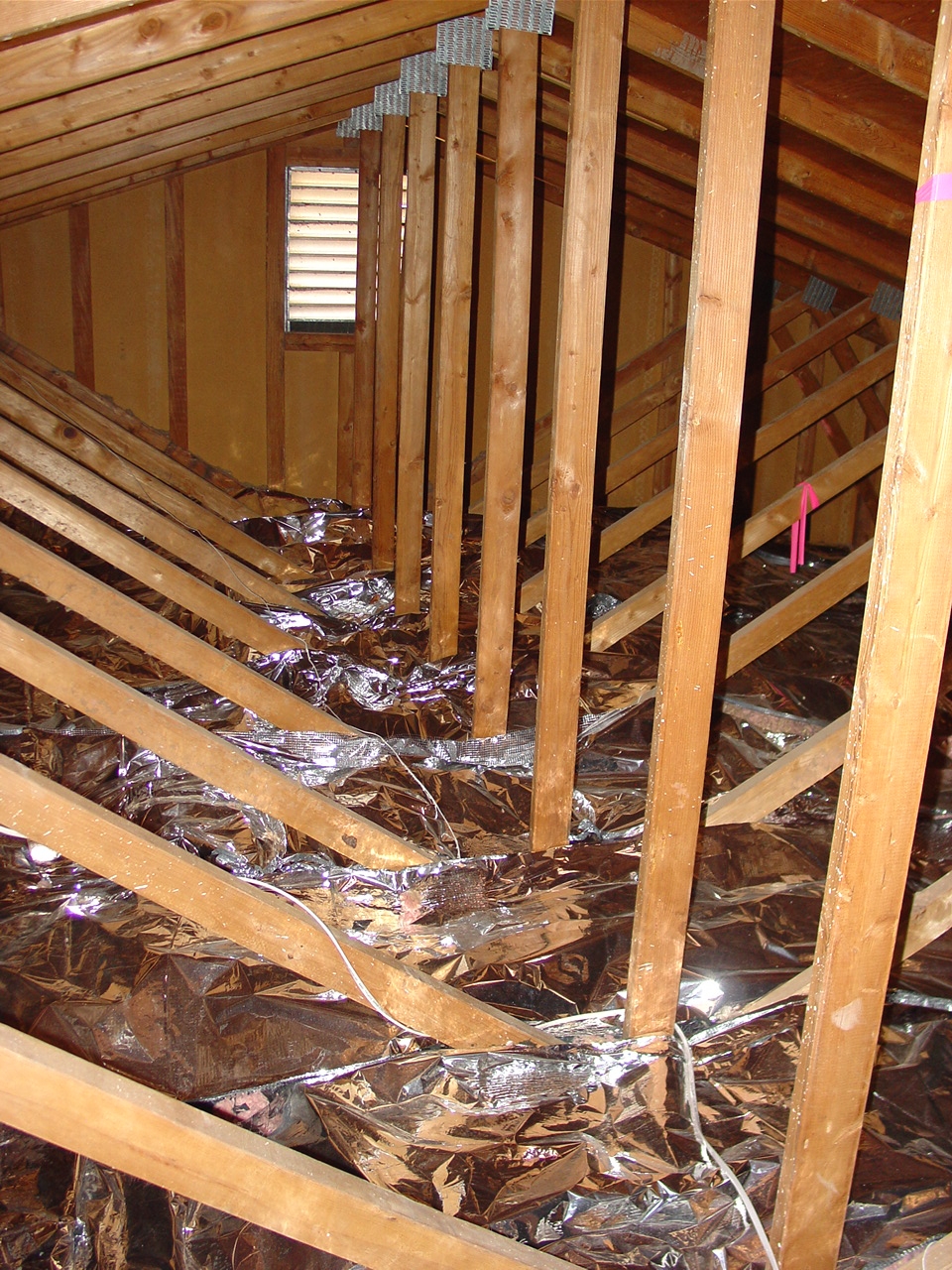
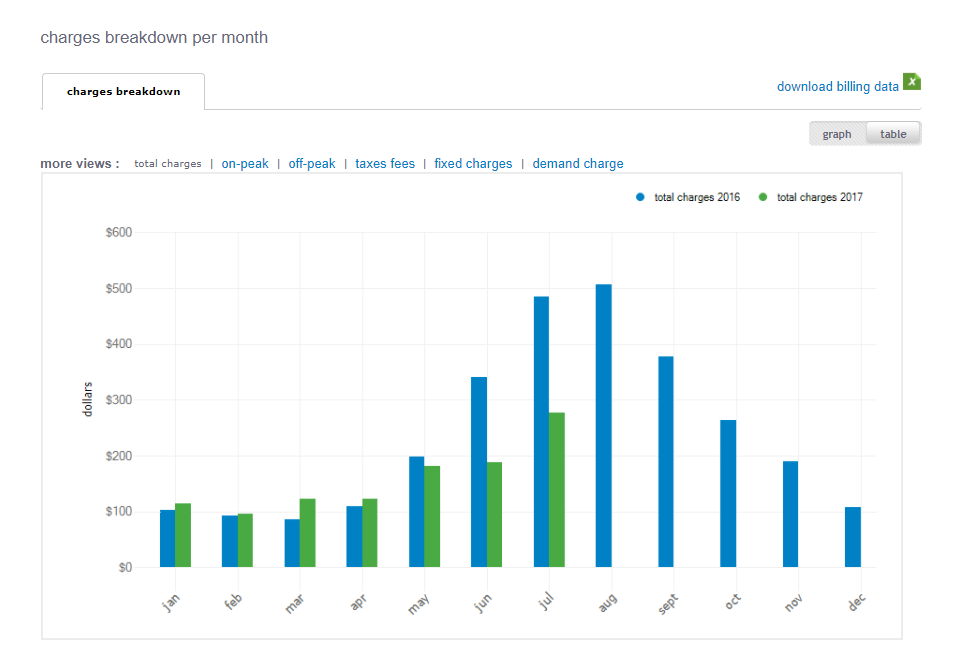
TCM Space Quilt. Like a flexible Thermos bottle 2018 APS customer before and after bill. And more comfort
"For 20 years, Horizon Energy Systems has been reinventing and installing their products in Arizona. "Better insulation would cut the need for more power
plants. "Uncomfortable homes, high energy bills, blackouts, brownouts, these are not the problems, these are the symptoms," They said, "The problem
is too much heat coming into our buildings."
Horizon offers this product installed for $1.40 per square foot of attic space, or 79 cents a square foot to people who want to install it themselves.
The barrier works the same way as a thermos bottle that keeps a cold drink chilled even when placed in the sun by redirecting not just the visible
sunlight but the infrared heat waves from the bottle, he said. ABC's television show Extreme Makeover: Home Edition used Horizon's reflective
product for an episode filmed last year on the Navajo Nation in northeastern Arizona, when contractors replaced a family's trailer home with a
self-sufficient energy home.
Customers praise the barrier.
Jackie and Tom Connolly had Horizon install a radiant barrier on their home in north Phoenix in March 2007. With an attic fan and resetting a load
controller, they said they've saved $800 in ten months on electric bills. At that rate, they'll pay off the $5,000 investment in a little more than six years.
"We were having all sorts of problems with hot spots in the house," Tom said. "The house wasn't cooling at all. We had one horrendous summer
after we did some construction." First, the family put more insulation in the attic. "That was a waste of money," he said. "It didn't work."
He found Horizon on the Internet, and after a consultation decided to try the barrier and attic fan, which Lindsay says is necessary to keep from
overheating the attic with the reflective material. The family also put the barrier on the inside of a garage door and immediately could feel the difference
in the garage and bordering rooms.
"We've definitely seen a difference," Jackie said.
Evan Mitton of Litchfield Park also was having problems keeping his place cool, and he was getting quotes from companies that wanted to install
a larger air-conditioner on his home for as much as $5,000. For that price, Horizon installed a smaller, more efficient heat pump, which qualified
for a rebate from a utility, and put a barrier in his attic. Mitton's bills have gone from $151 a month to $96, he said. He is on a payment plan that
charges a flat monthly fee so his bills don't fluctuate month to month. He expected the savings by replacing the 25-year-old air-conditioner with
one of the same size, but not when replacing it with a smaller model, he said.
"It works really well," Mitton said of the barrier. "It keeps the house a lot cooler."
Phoenix utility experts have known about radiant barriers similar to what Horizon makes for decades, but they say their potential is limited in well
insulated attics. Salt River Project and Arizona Public Service Co. both offer rebates for things like air-conditioner tuneups that save electricity,
but they don't have rebates for radiant barriers.
Neither SRP nor APS would speak specifically about Horizon products.
An APS official said that the least amount of heat entering a home comes from the ceiling and attic. "(Radiant barriers are) in that category of
things that certainly help, but is it cost effective or not is the big question," said Tom Hines, manager of the residential energy efficiency program at APS.
"When I see claims out there of saving 30 percent or more on bills, it's hard to do that when not that much heat is coming in the house (through the attic),"
Hines said.
A spokesman with the American Society of Heating, Refrigerating and Air-Conditioning Engineers said that the figures cited by APS are out of date
and that modern research shows 20 percent to 25 percent of the heat entering homes comes from the attic and ceiling, making radiant barriers
economical, although not as productive as Lindsay says.
"The number quoted by the utility is much too small," said Andre Desjarlais, chairman of the ASHRAE committee on building "envelopes" or barriers
and insulation. He also is the program manager for building-envelope research at Oak Ridge National Laboratory in Tennessee.
"The attic and ceiling are taking the biggest load from the sun," he said. "It can't be the smallest contributor (to home-heat gain). That doesn't pass the
common-sense test." Desjarlais said that radiant barriers make the most sense in super-hot places like Phoenix, especially on older homes with
minimal attic insulation. For heavily insulated homes, the return on cost is much smaller, he said.
Sempra Energy in San Diego has been communicating with Horizon to set up tests to determine the true energy-saving value of the product,
spokeswoman Rachel Laing said. If proved valuable, it could qualify for rebates in California, she said.
"In concept, it seems worthwhile to test," Laing said.
SRP officials said that the barriers can be effective, but the utility focuses its rebates on areas that its experts see as more cost efficient, such as shade
screens that keep heat from moving into homes through windows. They certainly can be (useful)," said Jerry Thieken, a senior project manager and
energy expert for SRP who has reviewed data about radiant barriers. "You will find them a lot in new construction where it is easy to install during the
construction process.
"In a retrofit, it's a little more difficult because you have to squeeze it into tight spaces."
Related links and stories:
ABC Channel 15 News story 11/05/2009: Click here
Maricopa County Home Show radio blog: Click here
The term "Sweater Effect" is a trademark of Horizon Energy Systems and is not to be used for reproduction without permission.