 Contact us: 602-867-3176
Home Depot attic fan, Grainger attic fan, attic venting, energy efficiency, solar powered attic fans, attic fans, vents, venting, tubular skylights, energy conservation, HUD, attic power vents, solar fans, gable vents, Tesla, foam insulation, blown cellulose, fiberglass, Owens Corning, Johnmansville, APS, Arizona Public Service Company, SRP, Salt River Project, US Department of Energy, DOE
Contact us: 602-867-3176 
Attic Venting In Your Home








SUMMER IS COMING!!! TIME TO VENT
Read what our customers have to say more>>>>
The truth about attic insulation in hot sunny climates more>>>
The importance of venting your attic cannot be overlooked. In cold climates improper venting can lead to moisture buildup which causes mold to grow or wood rot in extreme cases. During the summer, stagnant, superheated attic air can dry out your trusses, increase your energy costs due to the demand on the air conditioning unit, and make your house uncomfortable and cause long run times of your HVAC unit(s).
How did we become experts on attic venting? Our patented reflective insulation products reject the infrared heat emitted by hot roofs which in turn builds up in the attic and makes it even hotter. Getting rid of this waste heat then forced us to look at not only how homes are vented, but how best to address this challenge.
We are sharing our knowledge with you and offer the best products we've found which are available on our online store.
RIDGE VENTS
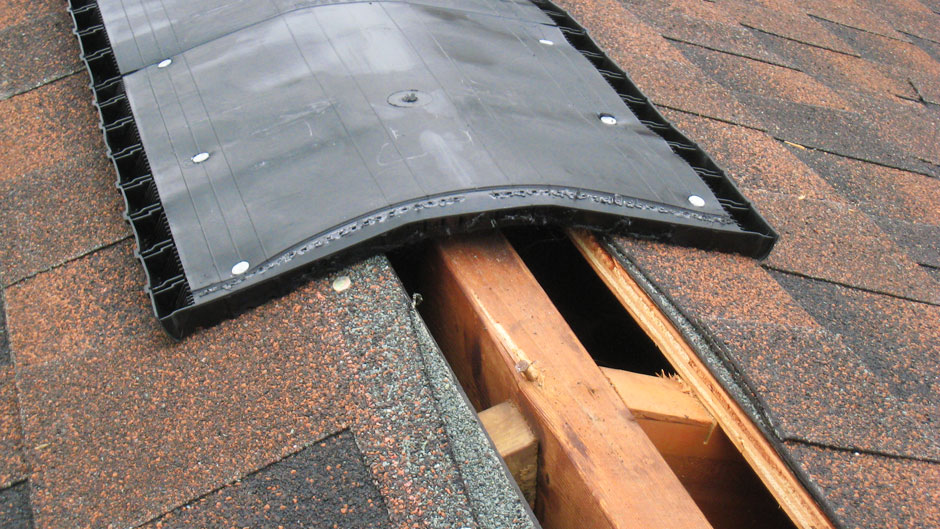
Ridge vents are placed at the peak of the roof and while attractive and easy to install does not allow sufficient
air to exhaust as this defies gravity, physics and logic. Hot air rises, this is a law of thermodynamics yet a ridge
vent consists of an inverted "V". This creates a thermal check valve which does not allow the hot air to escape
properly during the summer and once covered with 2" of snow are rendered useless (check ice dam page for
more info). Puffing tracer smoke inside the attic at 2pm just under the opening shows the air in the attic to be
stagnant. We have found through experience that homes with ridge venting are historically the hottest, and
correspondence from our customers who have read this site reinforce this.
Note: Ridge vents are effective in areas where this is a steady breeze.
REAL TESTING
We have performed smoke testing on all types of attic vents and below are our conclusions.
WHIRLYBIRDS
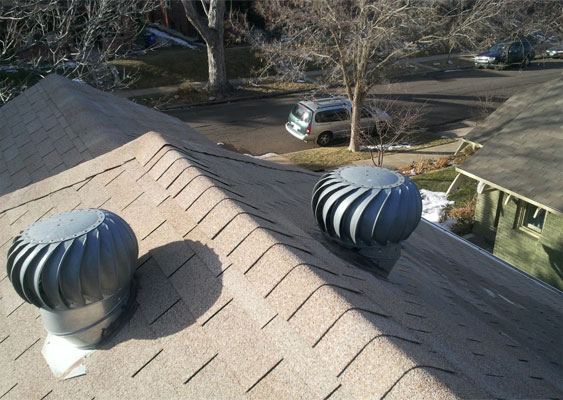
Whirlybird vents are considered exhaust vents and should have the same square area of opening of the vents combined with
the square area of intake vents located at the soffits or down low in the roof. One downside is they look like they belong on a
commercial building and do not have a low profile.
The Aura Vent we offer has a larger opening, no moving parts (never needs oiling or attention) and Dade County rated for
hurricanes.
O'HAGEN VENTS
These are used primarily for tile roofs (image below) somehow meet code, but attics with these vents that we smoke tested
showed little to no air movement.
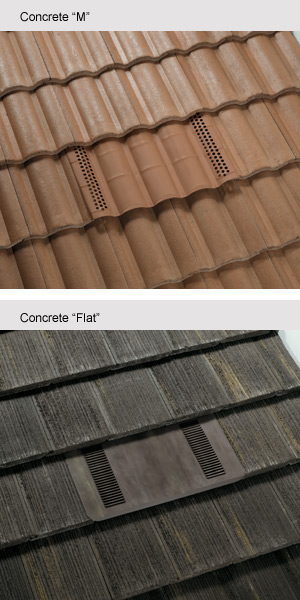
Even to the casual observer one can see there just isn't enough opening to vent the hot air in the attic when O'hagen vents are used.
Virtually every home we inspect in Phoenix using O'Hagen vents are 140F+ during the day.
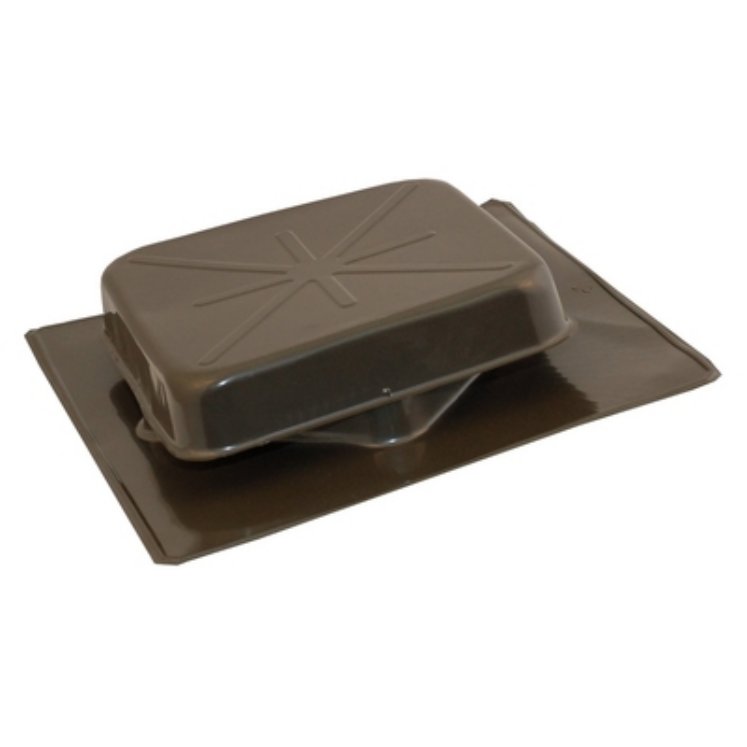
POP VENTS
Better than tile vents or a ridge vent, the openings are not very big enough for air to efficiently move into or out of them for complete evacuation
so many must be installed both low on the roof for intake and up near the ridge.
This can be an issue in cold climates where just a 2" snow fall effectilve end any venting. Not good when moisture gets trapped in the attic.
Since our reflective attic insulation products increase attic temperature by rejection instead of absorbing infrared heat,
attic venting plays an important part of our system. Getting rid of this waste heat is essential to reduce energy consumption
and increase interior comfort. If your home is like most and severely under vented, the most effective and cost effective way
to increase venting is using our imported German attic fan. Install it in the hottest side of the house (South or West), so it will
draw the coolest air possible (East or North side), into the attic.
DORMER VENTS
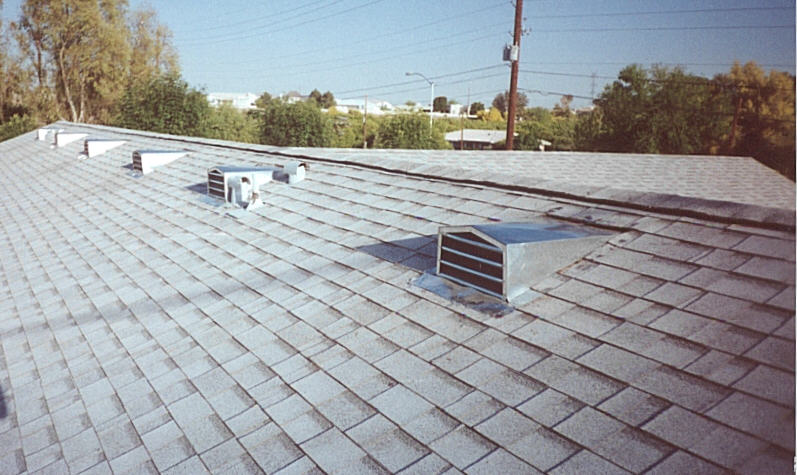
The roof you see above was first built using a continuous ridge vent. When the hot weather came in April
to this Phoenix home, the attic was like an oven despite the fact the intake venting (soffits), were doubled
to insure good flow. We cut the first hole in this roof about noon to install the dormer vents you see above
and the air came out so fast if you kicked the sawdust into the hole it would hit you in the face! Proof that
the hot, stagnant attic air is not being vented properly and being trapped by the ridge vent design.
Furthermore, the steeper the roof pitch, (like homes in Texas or the older Cape Cod homes in the Midwest),
the less the ridge vent will work. This observation is based on fact, physics and basic thermodynamic principles. 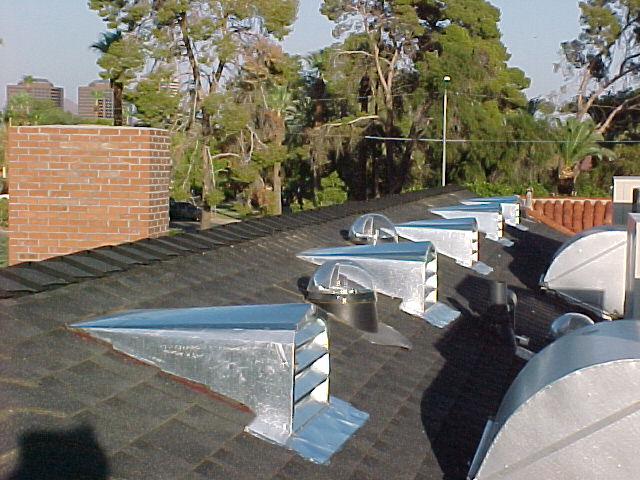
Dormer vents installed on the back side of a home in Dallas where the hottest attic air temperature
was ever recorded by our NRG Auditor.
Two reasons:
1) The underside of the roof decking was sprayed with silver radiant barrier paint thus lowering the
emissivity and increasing the convective currents in the attic space.
2) Ridge vents trapped the hot air inside. The dormers shown here dropped the attic temp by 42
degrees.
VENTING IMAGES
SOFFIT VENTING
Many homes do have soffit vents but are blocked by improperly installed
insulation. Proper attic ventilation is necessary and the products listed below will help.

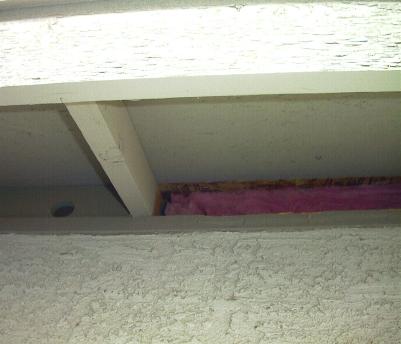
Remove the blocking and you can see the fiberglass blocking the vent holes.
Very common problem found during our NRG Audit inspections.

Step by Step Soffit Venting
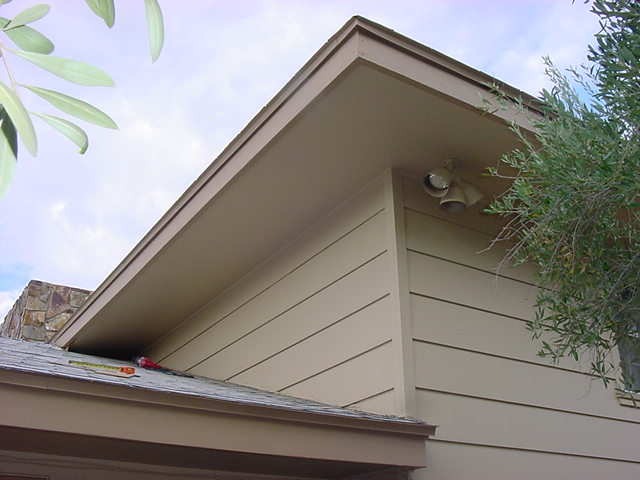
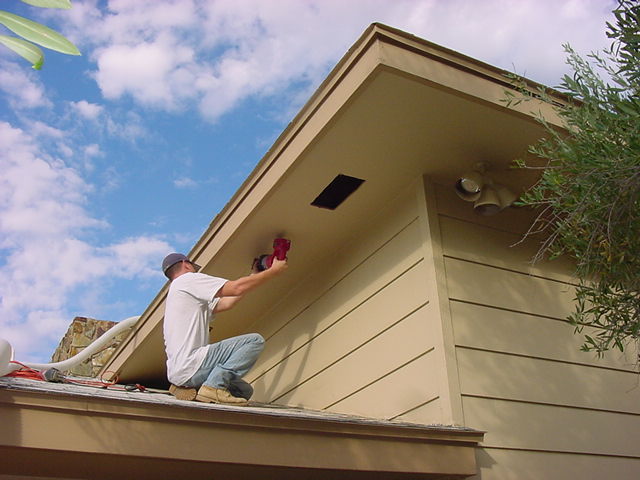
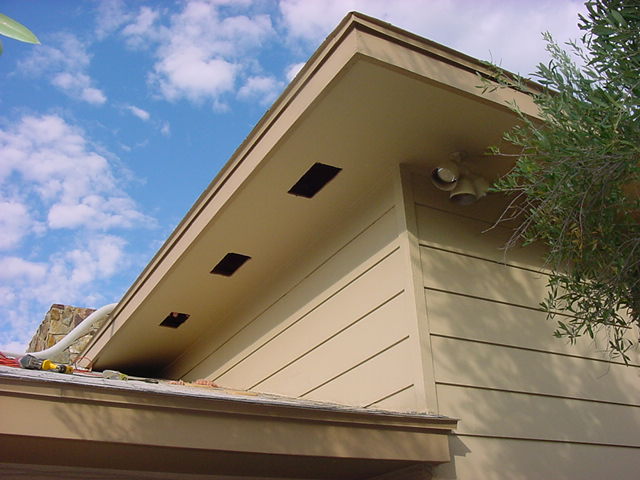
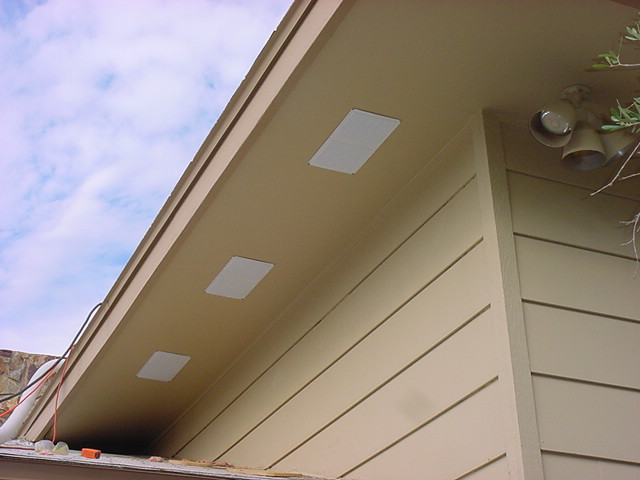
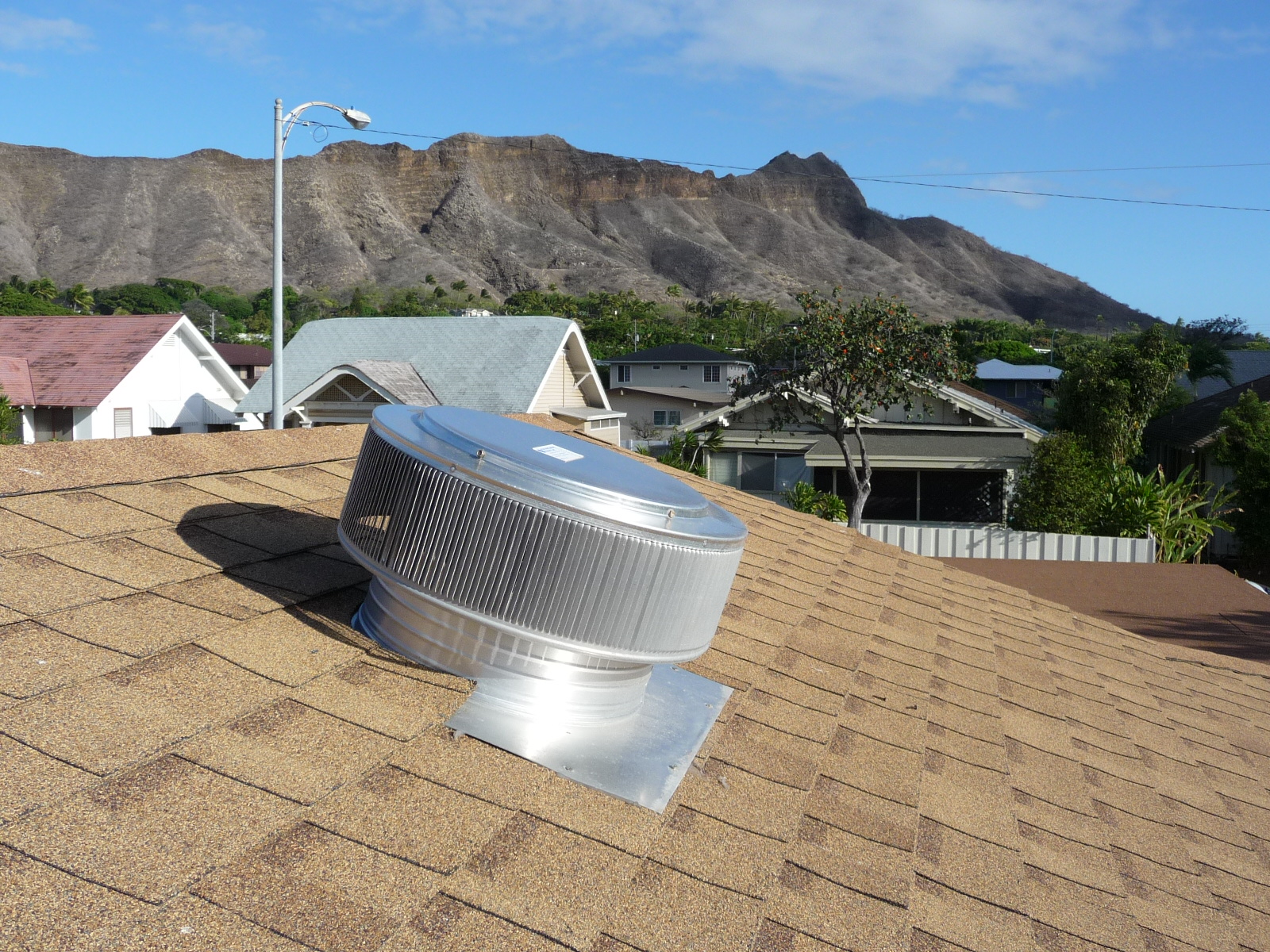

Dormer vents installed correctly on the back side of an apartment building.
The lower vents on the roof are intake ventsand the upper vents are exhaust vents.
If correctly sized to the volume of the attic this type of venting can adequately vent
the hot air out during the summer and moisture during the winter. These are not
seen from the front of the building and therefore do not detract aesthetically.
POWER VENTING (Installed incorrectly)
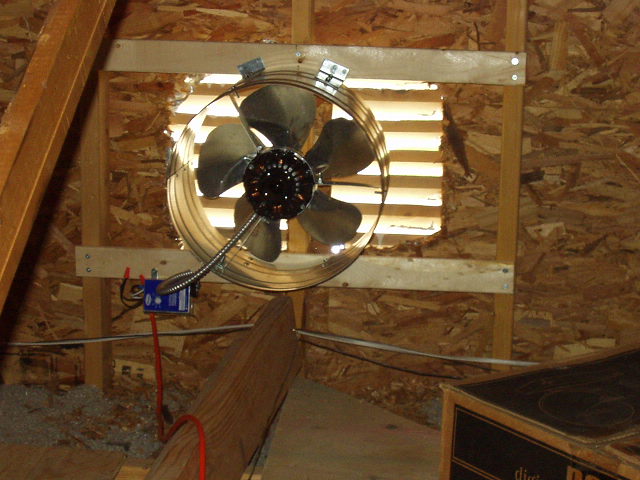
This shows a typical home store attic fan installed on a gable vent inside the attic.
Although the mounting looks secure, the application is incorrect since the space
around the fan is not blocked off. Air will always take the path of less resistance.
The fan will draw air from the closest point, in this case, from vent openings around
the side of the fan.
This means very little air will be exhausted from the attic!
The open area around the fan shroud (the round ring), needs to be blocked off
with cardboard or wood to make this type of installation effective. This is the
recommended installation by Home Depot per their advertising.
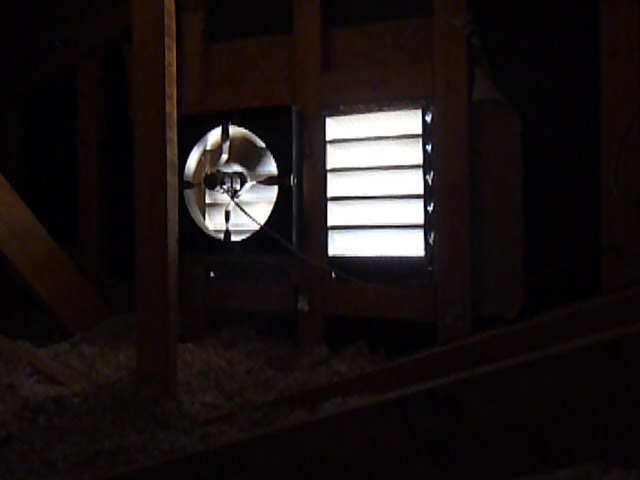
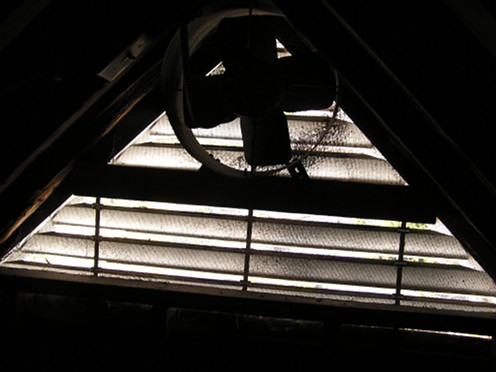
Here is a solar gable fan running and doing nothing to vent the
attic. 99% of the air the fan is blowing out is coming in the vent next to it.
"Attic fan? Don't need one, I have one already and I installed it myself"
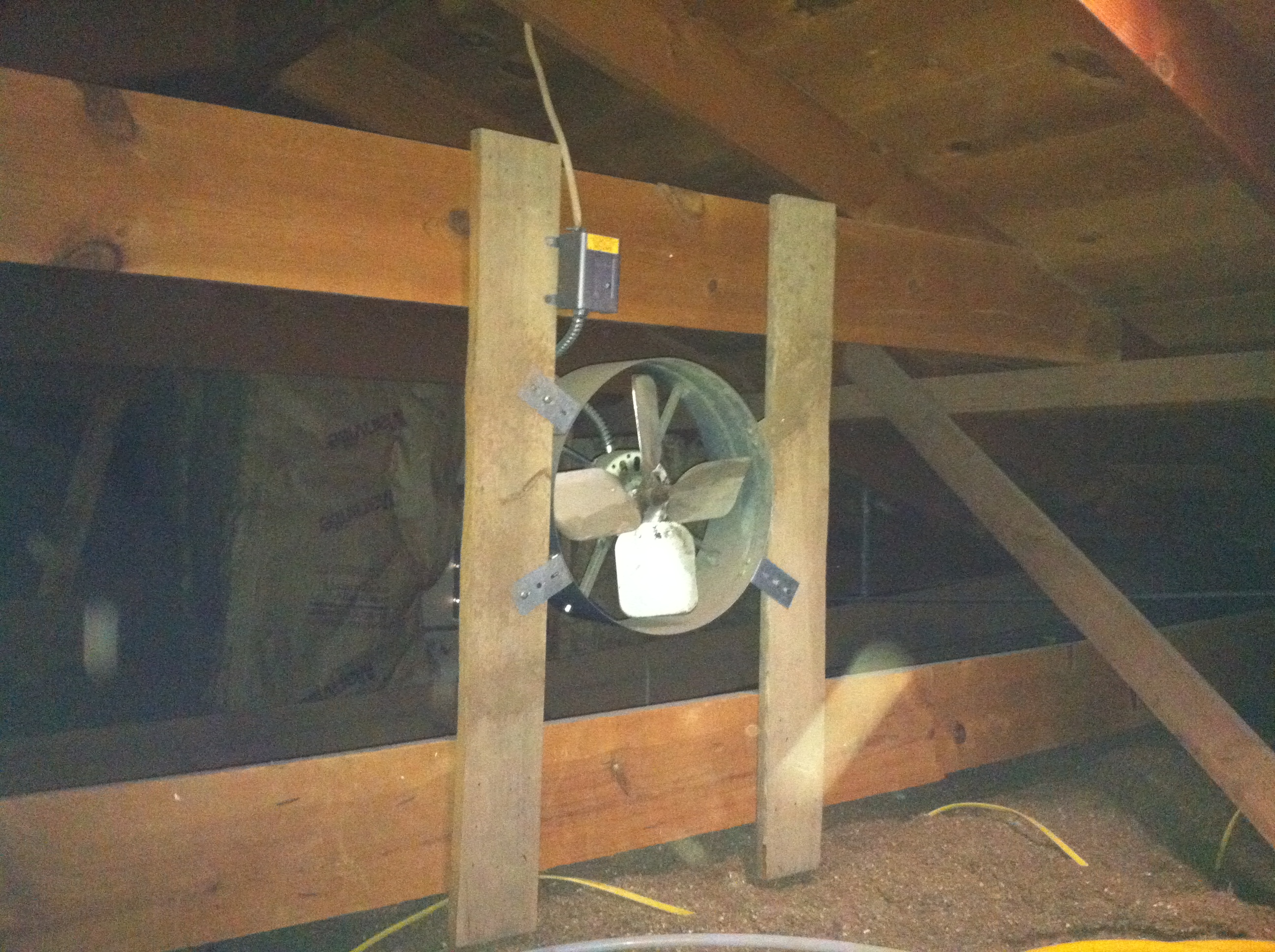
Here's a DIY job where the fan is mounted in the center of the
attic wasting power. Nowhere near a vent to the outside.
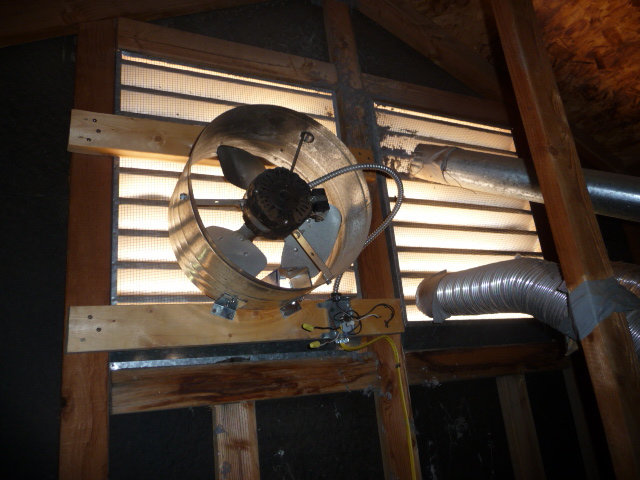
Virtually every attic fan we see installed is done like this.
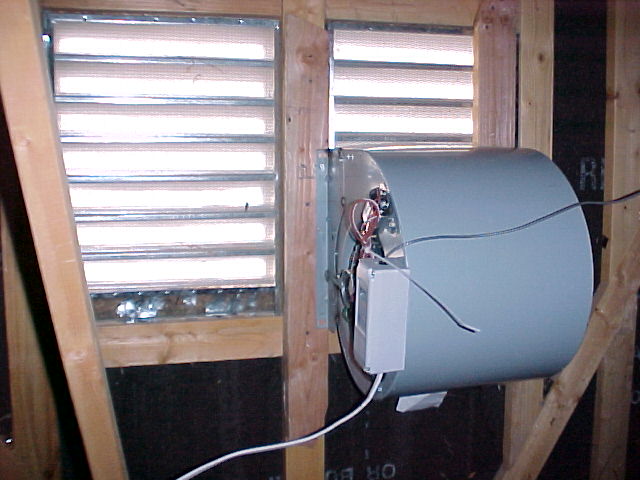
Great idea, but improper installation. Without blocking the
area around the blower, most of the air is going to be
coming in around it.
Summary: Think of the fan installed as an air pump. The fan will exhaust
air from the rear of the fan and push it through the vent. The key is
understanding where the intake air is being provided. In all of the photos
above, most of the intake air is being drawn in around the fan since this is
the path of least resistance. To make this work correctly, all the area around
the fan needs to be blocked off as well as roof vents or soffit vents that are
too close to the fan. When designing a venting system that employs a powered
fan, the goal is to evacuate the hot air from the attic and bring in the coolest
air possible. This dictates mounting the fan on the hottest part of the home
(the South or West side), so the coolest air possible (the North or the East
side), will be drawn into the attic. To purchase a German attic fan like this
click here
There should be no openings around the fans once they are installed as shown here.
Use the cardboard that the fan comes in to either nail or screw it around the fan.
(shown above are two 12" fans mounted in tandem to one thermostat)
Power Fans:
STAY AWAY FROM UNDERPOWERED SOLAR ATTIC FANS, THEY
JUST DON'T MOVE ENOUGH VOLUME OF AIR. Great idea, not enough
power and does not match the needs of the task. Attic venting is most
needed between 1pm and 7pm and the solar fan reaches max power at noon.
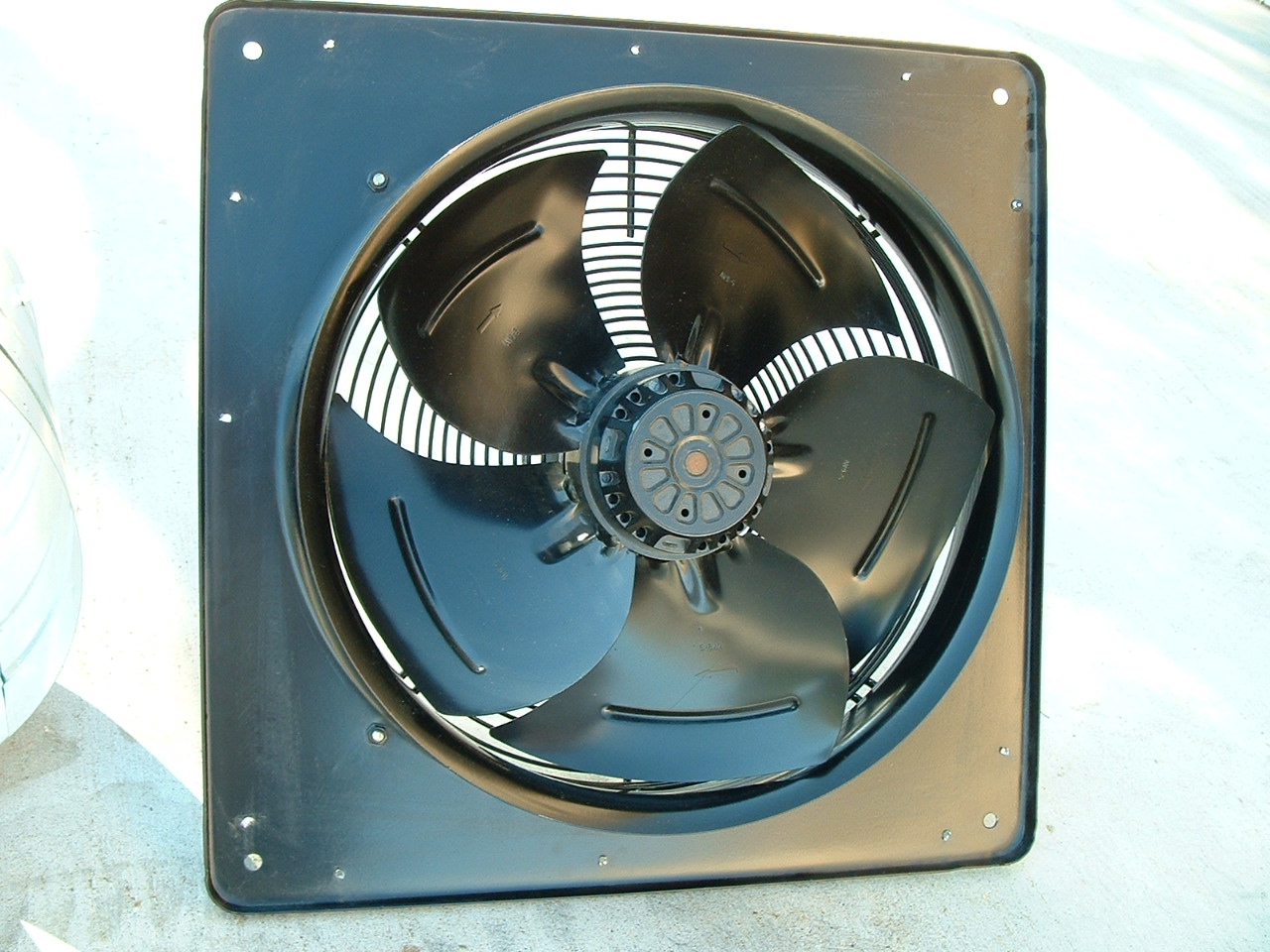
We import a vibration free, powerful, reliable powered attic fan manufactured
in Germany. This attic fan is unlike any other available. This fan features an
external rotor to which the fan blades are welded. This unique design
reduces blade flex and vibration, and eliminates one of the shaft bearings.
The bearings are sealed and never need maintenance. We include an
adjustable thermostat and an optional mounting box with this system. Install
it, set the thermostat and forget about it. It costs 2 cents per hour at .10/KWH
to operate. This equates to approximately $6/month!
14" 1800 CFM fan shown here
Quality attic venting products on our online store click here
In homes that have gas appliances such as water heaters
or furnaces in the attic, great care must be taken to insure adequate
intake venting (gables/soffits), is provided so as to not create a negative
pressure that will draw combustion gasses down the chimney of gas
appliances. Installing an attic fan in this application has the potential
for fire or filling your attic with carbon dioxide. Just make certain there
is sufficient intake openings to circumvent this potential hazard.
Specifications of the German Fan (other sizes below)
| Fan Model |
RPM | Volts | Max. Watts |
Max. Amps |
0" | .100" | .125" | .25" | .375" | .5" | Sones** |
| 8" PAV | 1550 | 115 | 45 | 0.41 | 304 | 246 | 224 | 74 | - | - | 4.1" |
| 10" PAV | 1500 | 115 | 68 | 0.62 | 624 | 558 | 533 | 377 | 132 | - | 7.9 |
| 12" PAV | 1400 | 115 | 130 | 1.19 | 1208 | 1069 | 1030 | 797 | - | - | 9.4 |
| 14" PAV | 1200 | 115 | 245 | 2.24 | 1839 | 1654 | 1599 | 1295 | - | - | 9.6 |
| 16" PAV | 1400 | 115 | 458 | 4.19 | 3054 | 2882 | 2839 | 2570 | 2198 | 1699 | 12.0 |
| 18" PAV | 1550 | 115 | 698 | 6.39 | 4115 | 3895 | 3840 | 3549 | 3239 | 2908 | 14.3 |
| 20" PAV | 1100 | 115 | 435 | 3.98 | 3693 | 3368 | 3279 | 2775 | 1429 | - | 10.7 |
| 20" PAV | 1450 | 115* | 916 | 8.39 | 4949 | 4682 | 4615 | 4274 | 3917 | 3445 | 16.4 |
| 22" PAV | 1000 | 115* | 756 | 6.92 | 5629 | 5248 | 5153 | 4432 | - | - | 12. |
| 25" PAV | 1000 | 115* | 1134 | 10.38 | 7858 | 7355 | 7230 | 6567 | - | - | 14.8 |
** The sound ratings shown are lSonesss values in fan sones at 5 Ft. (1.5 m) in hemispherical free
field calculated per AMCA Standard 301. Values shown are for installation Type A: Free inlet fan
Sones levels. All Sone values shown are calculated at 0.1" (static pressure in inches W.G.).
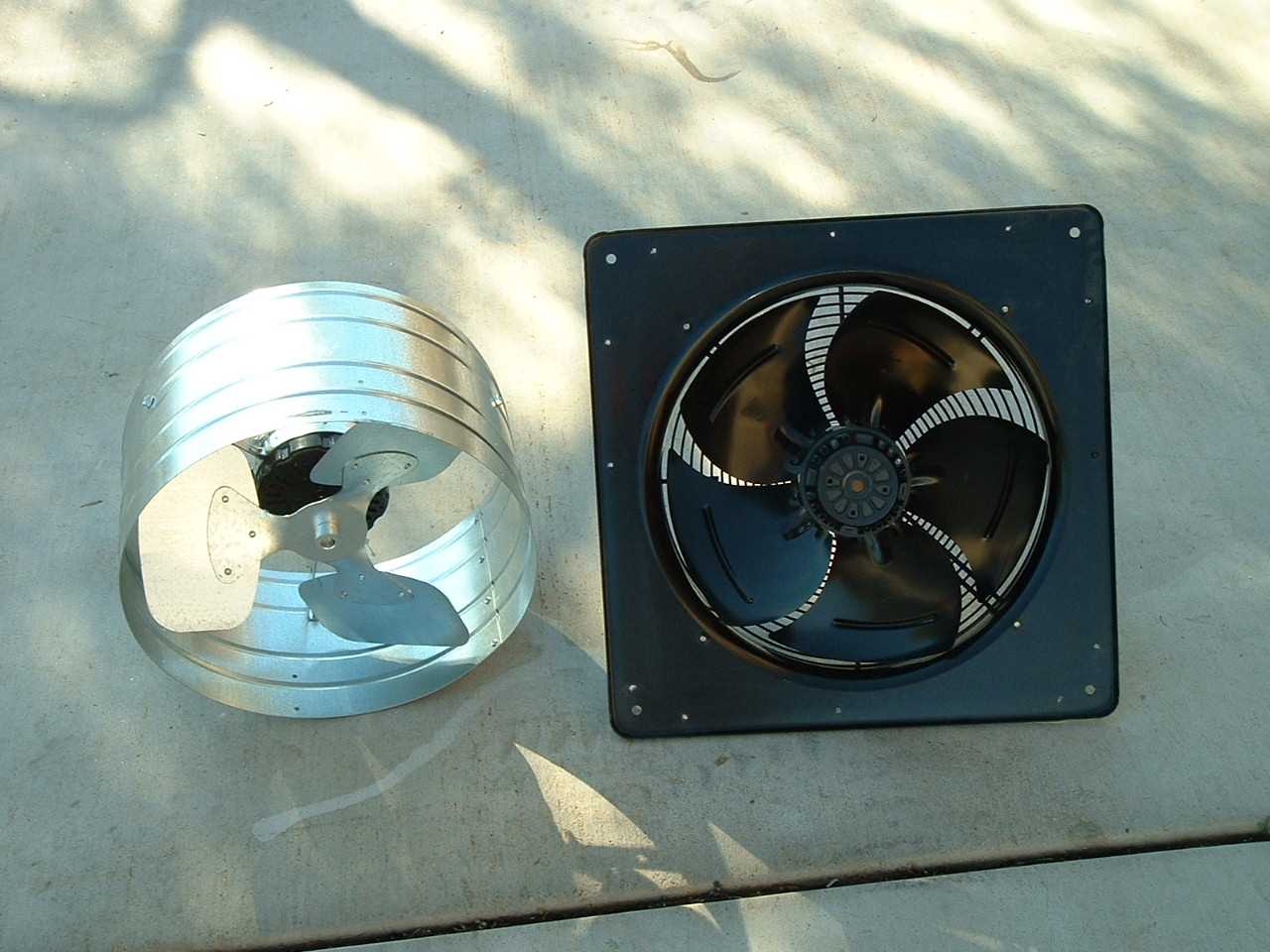
Which fan looks like it's more efficient at moving air out of your attic?
The tin home store fan or the German, steel, powerful, balanced.
Over the years we have found home store attic fans to be a liability
to our installations and the only weak link in our proven NRG Package.
Technical support or questions email: mailto:pleasesavenrg@gmail.com
To look at vents fans and other energy conservation products that make sense click here
Price on our online store includes the fan with thermostat and 6'
of Romex control wire pre-wired to the thermostat which speeds
up the installation. You need only to mount the fan, mount the
thermostat and bring a 110volt power supply to the thermostat.
Prices below also include UPS ground shipping.
Do it right the second time! Order the last attic fan you will ever buy click here
If you open the box upon delivery of this item are not totally
impressed with the craftsmanship and quality, return it for a full
refund. We are that confident of this item. We do not offer any
product on our site that have not been field tested in all climates.
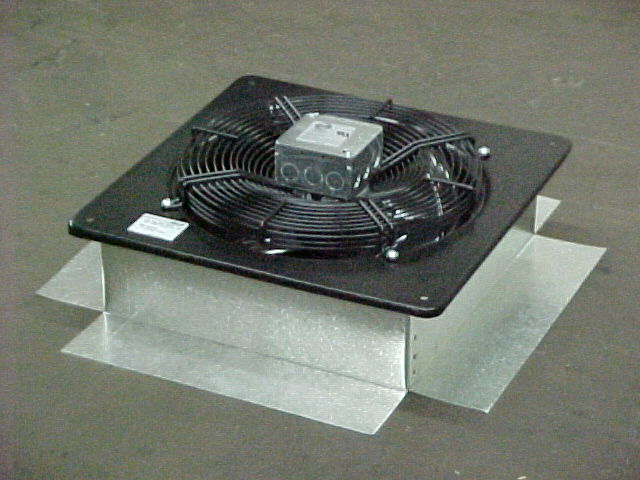
We fabricate this sheet metal box for our Phoenix installations and thought we should
offer it to our online shoppers as well. The design, including large side flanges, allows for
a easier and more secure (thus quieter) installation. This mounting box can cut the
installation time in half! It only costs $40 and this includes shipping if purchased with fan.
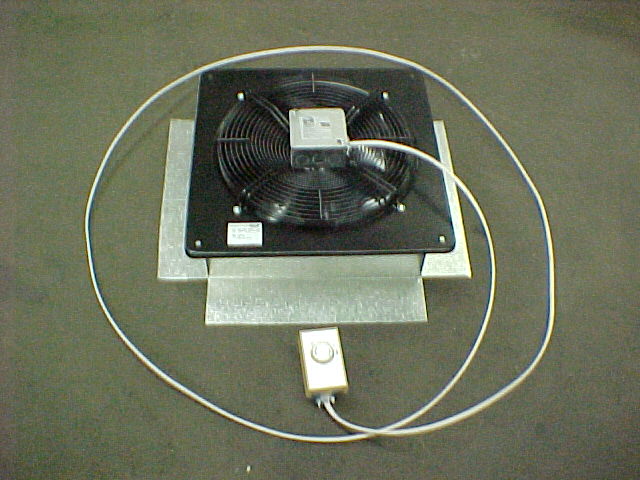
This is how the fan will look when you open the box.
The fan is mounted to the sheet metal box and there is 6' piece of 14
gauge Romex already pre-wired to the fan and thermostat.
We even provide a 2"x4" mounting box to mount the thermostat so all
you need to do is run a 115 v power supply to the thermostat, mount
the fan shroud to the wall, set the thermostat to 105 F and call it a day.
Please note: the face plate and dial to the thermostat are in the small
cardboard box.
Please email us with your questions, technical and application
issues. We do not want to increase the price of these fans to include
support so please, email first and if your concerns cannot be addressed
via email or our updated website, we can talk by phone.
To place an order click here
This just in from a customer in the Midwest:
My purchase of an attic vent fan was a completly good experience. I like your website.....lots of information. If you could somehow get thcompletelyown that would be key to increasing your sales .....until.....people "get it"...your product and the packaging it arrived in reminded me very much of the aircraft I worked on....solid, extreme quality, excellent design, applied correctly to solve a problem........most people will not pay for that....I learned that the long hard way.....very few people will "take a chance" for quality....lots of folks have no clue about saving energy. Your web site should be read by everyone!
If you live in Phoenix, click here to find out about our Home NRG Audits©. For those of you in cold climates, cut your heating bills with our revolutionary Space Quilt energy product. Hot, sunny climate homeowners should consider our latest product, Thermal Control Membrane .
To look at other energy conservation products click here.
Questions? Email us at pleasesavenrg@gmail.com or call our office at 602-867-3176.

Web page design and maintained by B Rad Design Group.
Copyright 1997-2022. All images and text copyrighted by Horizon Energy Systems.



.